Articles Tagged: proactive pavement management
Why Build a Plan Around PCI? The Pavement Condition Index (PCI) converts field observations of surface distress into a single 0-100 score. Using a standardized metric lets agencies: Objectively compare pavement segments across the entire network. Quantify long-term needs and justify funding. Trigger…
Keeping Pavement Joints Tight and Surfaces Sound Why Joint Resealing and Spall Repair Matter Concrete pavements depend on tight, watertight joints and sound slab edges to deliver long service life. When sealants fail or joint faces spall, water and incompressibles infiltrate the slab support system,…
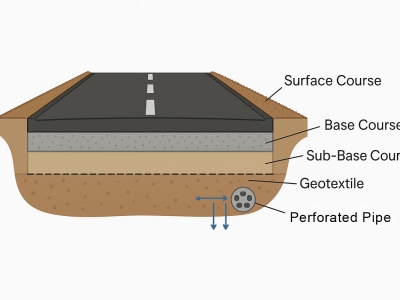
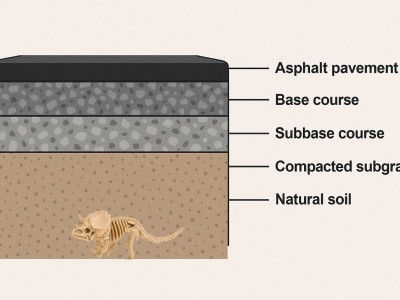
The base and sub-base layers sit between your surface course (asphalt or concrete) and the native subgrade. They distribute traffic loads, provide frost protection, and create a stable platform for paving equipment. Because traffic volumes, truck percentages, and utility demands vary dramatically be…
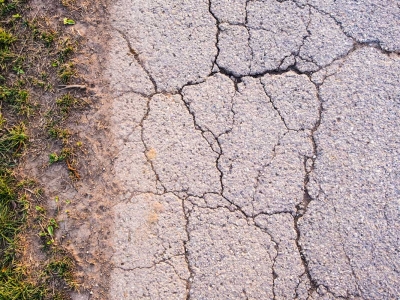
Water is the silent saboteur of pavement systems. Long before potholes, pop-outs, or rutting appear on the surface, moisture is busy stripping asphalt binders from aggregate, wedging ice crystals into concrete capillaries, and eroding the structural integrity that keeps our roads and parking lots so…
A pavement is only as good as the ground it rests on. Accurately characterizing subgrade strength and stiffness is therefore one of the most consequential steps in pavement design. From rapid field tools like the Dynamic Cone Penetrometer (DCP) to sophisticated laboratory measurement of resilient mo…
Comparing Pervious Concrete, Porous Asphalt, and Interlocking Concrete Pavers (PICP) Why Permeable Pavements Matter Conventional pavements shed rainfall almost instantly, sending large volumes of runoff, and its pollutants, into pipes, channels, and ultimately receiving waters. Permeable (a.k.a. per…
A “long-life” or perpetual asphalt pavement is engineered so that the bottom of the asphalt structure never experiences fatigue cracking during its design life (often > 50 years). When distress finally appears, it is confined to the upper few inches and can be removed with a mill-and-…