Permeable Pavements for Stormwater Control
Comparing Pervious Concrete, Porous Asphalt, and Interlocking Concrete Pavers (PICP)
Why Permeable Pavements Matter
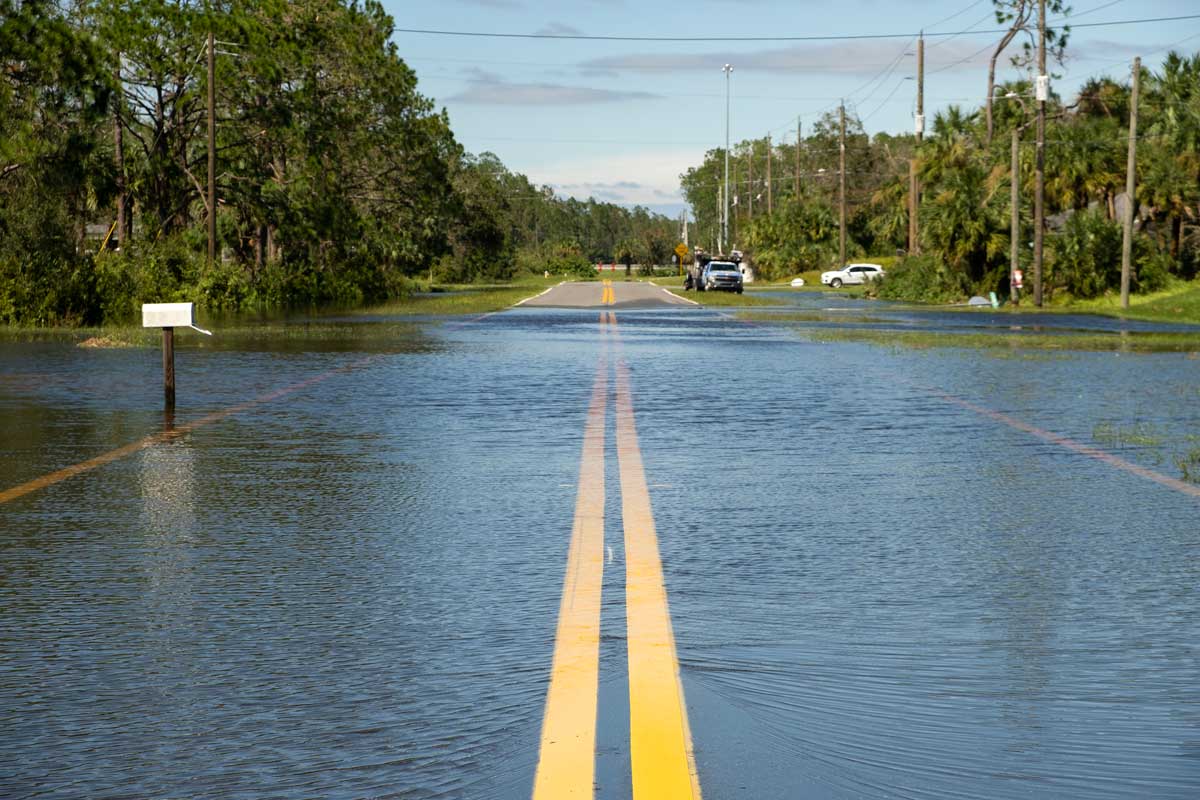
Conventional pavements shed rainfall almost instantly, sending large volumes of runoff, and its pollutants, into pipes, channels, and ultimately receiving waters. Permeable (a.k.a. pervious or porous) pavements turn that paradigm upside-down: they let water pass through the surface, temporarily store it in a stone reservoir, and let it infiltrate or drain slowly. This treats stormwater at the source, reduces peak flows, and recharges groundwater, all while providing a drivable, walkable surface.
How They Work (in 60 seconds)
| Layer | Purpose |
|---|---|
| Surface Course (pervious concrete, porous asphalt, or pavers with open joints) | Allows rainfall to enter voids/joints. |
| Choker Course (2-4 in. of uniform stone, optional) | Evens out the surface and prevents fines from migrating upward. |
| Reservoir Stone Layer (often ASTM #2/#3 sized, 12-24 in. or more) | Provides 30-40 % void space for water storage and structural support. |
| Geotextile / Geogrid (project-specific) | Separates native soil, adds tensile strength. |
| Native Soil Subgrade | Receives infiltrated water; permeability dictates whether an underdrain is added. |
Technology Snapshots
Pervious Concrete
-
Composition: Gap-graded coarse aggregate, little or no fine aggregate, Portland cement paste coats stones.
-
Void content: 15-25 % (tiny capillary pores + larger interconnected voids).
-
Typical design infiltration rate: 100-600 in/hr when new; practice uses 10 in/hr as long-term design.
-
Strength: 2,500-4,000 psi compressive, adequate for light-to-moderate traffic when thickness ≥ 6 in.
-
Installation keys: Requires trained crew; rapid placement and compaction with roller screed; plastic sheeting curing for 7 days.
-
Maintenance: Quarterly vacuum-sweeping to remove fines; periodic pressure washing.
-
Best uses: Parking stalls, low-speed residential streets, sidewalks, alleys.
Porous Asphalt
-
Composition: Similar to open-graded friction course (OGFC); high-void (18-22 %) stone-on-stone skeleton bound by asphalt cement.
-
Typical design infiltration rate: 200-1,000 in/hr new; design with 12–20 in/hr.
-
Strength: Comparable to standard asphalt when placed over structural aggregate reservoir; fatigue performance good due to flexibility.
-
Installation keys: Same equipment as conventional asphalt; cooler mixing temperatures (250-300 °F) to avoid draindown; no tack coat.
-
Maintenance: Annual vacuum-sweep; hot-mix patches for isolated distress.
-
Best uses: Parking lots, shoulders, low-speed access roads, trailheads, basketball/tennis courts.
Permeable Interlocking Concrete Pavers (PICP)
-
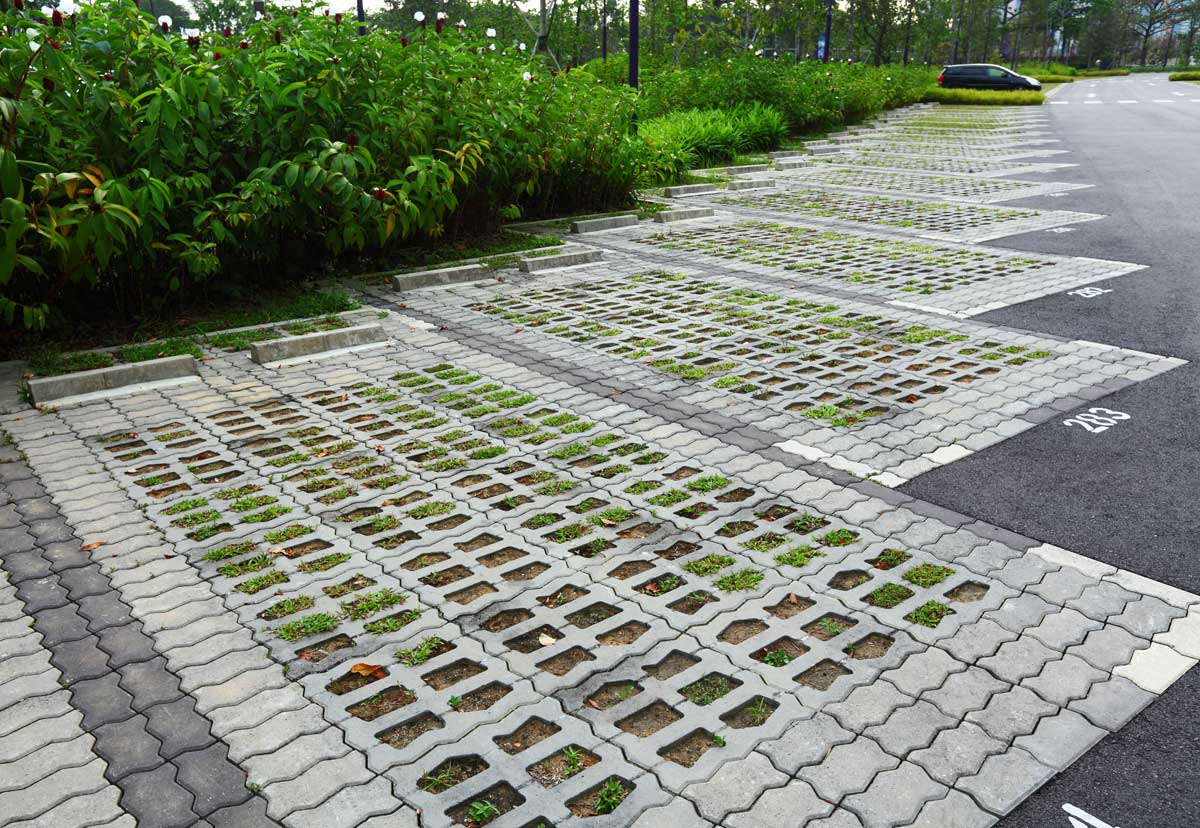
Composition: Solid concrete paver units with machined spacer lugs; joints (¼-½ in.) filled with clean #8, #89, or #9 aggregate.
-
Void content (system): 8-12 % surface permeability via joints.
-
Typical design infiltration rate: 400+ in/hr initial; design with 10 in/hr.
-
Strength: Pavers ≥ 8,000 psi compressive; excellent for heavy static loads (fire lanes, bus routes) when base thickness is sized.
-
Installation keys: Place pavers on 2-in. bedding layer of #8 stone; compact with plate tamper; joints filled and re-vibrated.
-
Maintenance: Semi-annual vacuum-sweep; joint stone top-off every few years.
-
Best uses: Plazas, sidewalks, loading zones, residential streets, retrofit alleys.
Side-By-Side Comparison
| Attribute | Pervious Concrete | Porous Asphalt | PICP |
|---|---|---|---|
| Surface Infiltration (new) | 100-600 in/hr | 200-1,000 in/hr | 400+ in/hr |
| Surface Thickness | 5-8 in. | 2-3 in. | 3⅛-4 in. pavers |
| Typical Installed Cost* | $7-12 / sq ft | $5-9 / sq ft | $10-15 / sq ft |
| Load Capacity | Up to HS-20 with proper base | Up to HS-20 with proper base | HS-20+; heavy point loads |
| Cold-Climate Durability | Good if properly air-entrained & cured | Good with polymer-modified binder | Excellent; units replaceable |
| Visual Aesthetics | Monolithic light-gray surface | Conventional asphalt look | Unlimited color/pattern options |
| Maintenance Sensitivity | Medium-High | Medium | Low-Medium |
| Life Expectancy | 20-25 yrs | 18-25 yrs | 30-40 yrs (individual paver replacement extends life) |
* Costs are 2025 U.S. national averages, including reservoir stone, but excluding underdrains and subgrade preparation.
Choosing the Right System
-
Hydrologic Goal
-
Need rapid infiltration or high pollutant removal? Any system works, but PICP joints excel at filtering TSS and metals; pervious concrete shows good phosphorus retention.
-
-
Structural Loads
-
Frequent heavy trucks or forklifts? Choose PICP or a concrete system with thicker base.
-
Light-medium vehicle parking? Porous asphalt is often most economical.
-
-
Climate & Freeze–Thaw
-
Cold regions demand rigorous surface vacuuming before winter and sufficient reservoir thickness (≥ 12 in.) for unfrozen storage.
-
PICP joints allow easier de-icing with reduced salt use.
-
-
Aesthetics / Urban Design
-
Streetscape or campus plaza: PICP offers pattern and color.
-
Utility of a uniform appearance: pervious concrete or porous asphalt blend with surrounding pavements.
-
-
Maintenance Capacity
-
If vacuum-sweeper access is limited, favor PICP, the jointed system is less prone to total surface clogging and individual pavers can be swapped.
-
-
Budget
-
Porous asphalt often wins initial bid price.
-
Life-cycle analysis may tilt in favor of PICP (long service life) or pervious concrete (lower rehab frequency).
-
Maintenance Best Practices (All Systems)
-
Prevent Sediment ➡ Keep Upstream Areas Clean
-
Stabilize soils and manage landscaping mulch.
-
-
Quarterly (or at least annual) Vacuum-Sweeping
-
Regenerative-air or true vacuum units, avoid mechanical broom alone.
-
-
Prompt De-icing Management
-
Use reduced salt rates (tests show 25-50 % savings thanks to rapid drainage).
-
-
Inspections After Major Storms
-
Check surface ponding duration (< 1 hr). Core or double-ring infiltrometer test if clogging suspected.
-
-
Minor Repairs
-
Patch pervious concrete with proprietary mixes; replace localized porous asphalt; lift and relay individual pavers as needed.
-
Cost-Benefit Snapshot
-
Capital Cost: Generally 10-25 % higher than conventional pavement + separate detention pond.
-
Land Savings: Eliminates or shrinks detention basins, valuable for urban infill.
-
Regulatory Credits: Many MS4 programs grant stormwater retention or water-quality credits, reducing required impervious offset.
-
Societal Co-Benefits: Heat-island mitigation (evaporative cooling), groundwater recharge, reduced splash/spray, lower tire-pavement noise.
Key Takeaways
-
All three permeable pavement types can meet water-quality and peak-flow reduction targets when properly designed.
-
Pervious concrete shines where a rigid surface is desired and crews are comfortable with specialty concrete practices.
-
Porous asphalt offers the lowest first cost and simple installation with standard paving equipment, ideal for parking lots.
-
Interlocking pavers provide unmatched aesthetics, modular repairability, and strength for heavy loads, but demand a bigger upfront investment.
Successful projects start with:
-
Thorough geotechnical and hydrologic analysis (infiltration testing, mounding assessment).
-
Careful construction sequencing to keep sediment off the surface.
-
A funded O&M plan that includes regular vacuuming and annual inspections.
With thoughtful selection and diligent upkeep, permeable pavements transform hardscape from runoff generator into a high-performing stormwater control measure, right under your tires and feet.


Life-Cycle Assessment of Pavement Alternatives: Quantifying Environmental Impacts from Cradle to Grave

When Is the Best Time of Year to Sealcoat?

Poor Subgrade Support: Detecting and Fixing the Root of Premature Rutting

Developing a Pavement Rehabilitation Plan Based on PCI Data

Joint Resealing & Spall Repair for Concrete Roads
