When Is the Best Time of Year to Sealcoat?
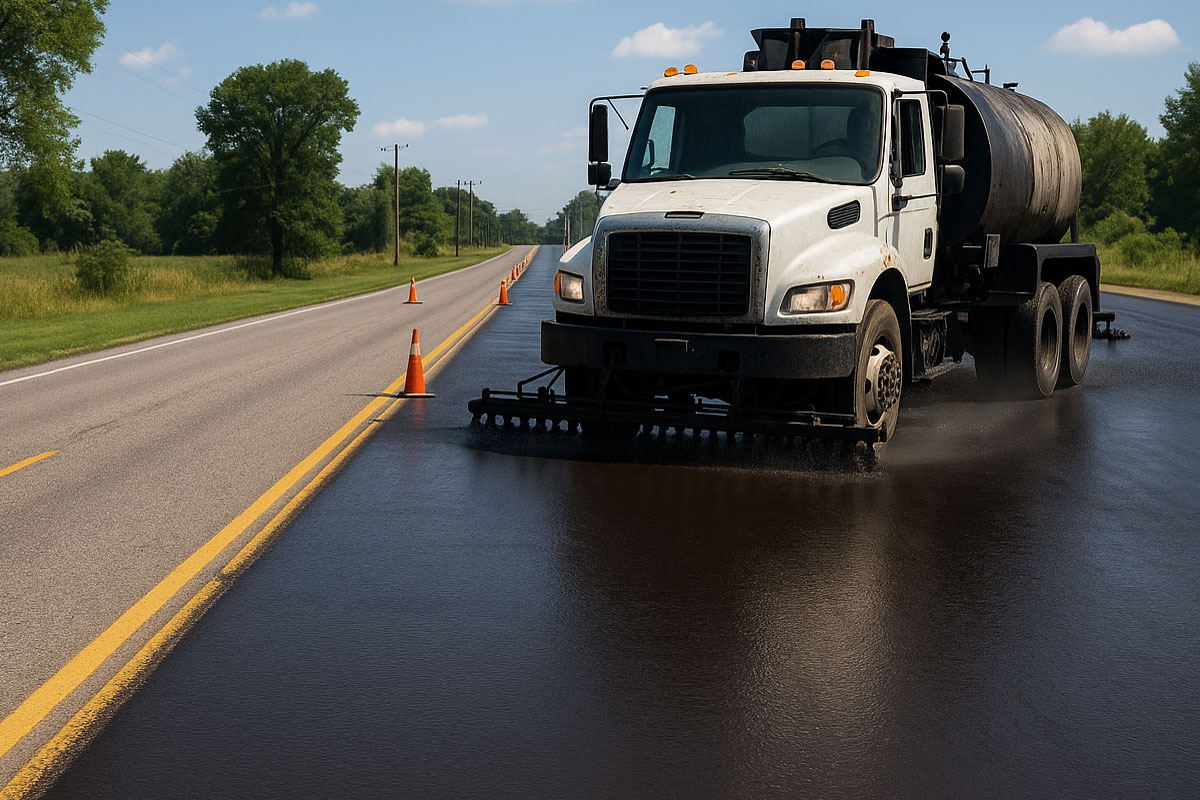
Sealcoating is one of the simplest and most cost-effective ways to protect your asphalt pavement, but timing is everything. Apply it too early in the season and cold temperatures can prevent the material from curing properly. Wait too late, and cool nights or early frost can ruin a perfectly good job. Understanding when to schedule sealcoating can make the difference between a smooth, long-lasting finish and a surface that fails before its time.
The Golden Rule: Warm, Dry, and Stable Weather
Sealcoat is an emulsion of asphalt, water, and fine aggregate that depends on evaporation to cure. For that to happen correctly, you need three key conditions:
-
Warm temperatures - At least 50°F (10°C) and rising, both during the day and for at least 24 hours after application.
-
Dry weather - No rain in the forecast for at least 24 hours before and after the job.
-
Moderate humidity and gentle wind - Enough airflow to help the water evaporate without drying the surface too quickly.
When these factors align, the sealcoat forms a strong, even film that protects your asphalt from UV rays, water infiltration, and oxidation.
Best Months by Region
The ideal sealcoating window varies by region:
-
Northern U.S. (Northeast, Midwest, Mountain states): Late May through early September offers the most dependable conditions. Pavement temperatures rise quickly under direct sunlight, and the long daylight hours help curing.
-
Mid-Atlantic and Pacific Northwest: Aim for June through September, avoiding the wetter spring months.
-
Southern states: Sealcoating can often be done from March through October, but beware of extreme summer heat, which can cause premature drying or tracking.
-
Desert and high-altitude climates: Early morning or late-afternoon applications are often best to avoid rapid water loss.
Why Early Spring and Late Fall Are Risky
Cold nights in early spring or late fall can drop surface temperatures below the minimum curing threshold. Even if daytime highs look promising, pavement retains cold much longer than the air does. When temperatures dip too low overnight, the sealant can stay soft, streak, or fail to bond properly-leading to flaking or peeling within weeks.
Moisture Is the Enemy
A freshly applied sealcoat and rain do not mix. Any moisture trapped in the film can cause bubbling or discoloration. Likewise, applying sealcoat to a damp surface prevents proper adhesion. Always make sure the pavement is completely dry, especially after pressure washing or rainfall.
Temperature of the Pavement Matters-Not Just the Air
Contractors often use an infrared thermometer to check pavement temperature, not just the air. Asphalt can be 10–15 degrees cooler than the air early in the morning, or much hotter in direct sun. For best results, apply when pavement temperature is between 70°F and 90°F.
Scheduling Smart
If you’re managing a public works program, commercial property, or HOA, plan your sealcoating projects months in advance. Contractors’ schedules fill up quickly once the weather stabilizes. Early planning also allows you to coordinate related work like crack sealing, patching, and line striping, which should always precede sealcoating.
The best time to sealcoat is when the weather is consistently warm, dry, and predictable-typically between late spring and early fall in most regions. A well-timed job can double the life of your pavement and keep your surface looking sharp year-round.
When you plan smart, you pave smarter.


Life-Cycle Assessment of Pavement Alternatives: Quantifying Environmental Impacts from Cradle to Grave

When Is the Best Time of Year to Sealcoat?

Poor Subgrade Support: Detecting and Fixing the Root of Premature Rutting

Developing a Pavement Rehabilitation Plan Based on PCI Data

Joint Resealing & Spall Repair for Concrete Roads
