Life-Cycle Assessment of Pavement Alternatives: Quantifying Environmental Impacts from Cradle to Grave
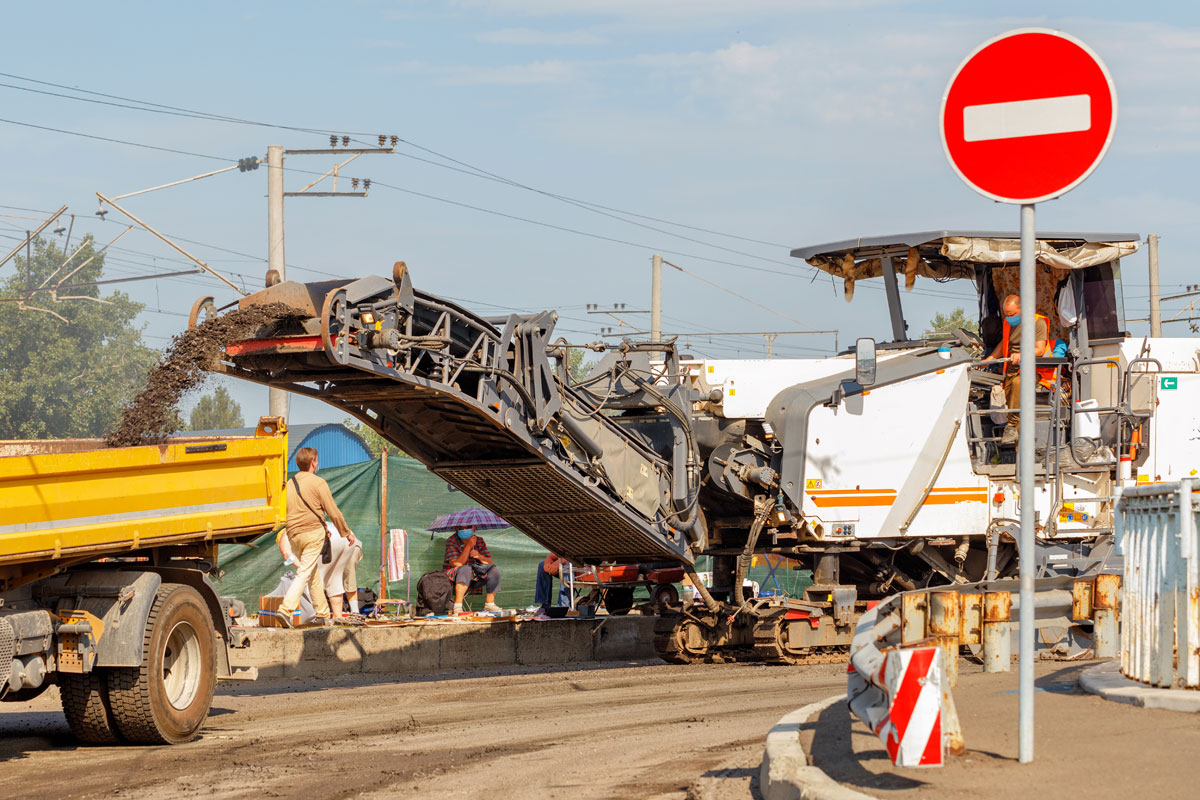
Pavement design isn’t just about strength, smoothness, and cost anymore. It’s also about sustainability-how each material and process affects the environment across its entire lifespan.
That’s where Life-Cycle Assessment (LCA) comes in. This analytical approach measures the total environmental impact of a pavement-from raw material extraction to end-of-life recycling or disposal. In short, it helps agencies and engineers see the true footprint of their paving choices.
What Is Life-Cycle Assessment (LCA)?
An LCA evaluates every stage of a product’s life, often summarized as “cradle to grave.” For pavement systems, this includes:
-
Extraction and processing of aggregates, binders, and additives
-
Transportation and construction
-
Use, maintenance, and rehabilitation cycles
-
End-of-life reuse, recycling, or disposal
Each phase consumes energy and emits greenhouse gases. By quantifying those impacts, LCA allows decision-makers to compare pavement alternatives on more than just upfront cost or performance-it measures long-term environmental efficiency.
Traditional Baseline: Hot-Mix Asphalt (HMA)
Hot-mix asphalt remains the most common paving method in North America. However, it’s also energy-intensive due to the high temperatures needed for production and compaction. The burning of fossil fuels for heat, combined with the extraction and refining of bitumen, creates a substantial carbon footprint.
That makes HMA an ideal baseline for LCA studies-against which more sustainable alternatives can be measured.
Sustainable Pavement Alternatives
Warm-Mix Asphalt (WMA)
By introducing chemical, organic, or foaming additives, WMA can be mixed and placed 30–100°F cooler than HMA.
Environmental benefits:
-
Up to 30% lower fuel consumption at the plant
-
Reduced CO₂, SO₂, and VOC emissions
-
Longer hauling distances possible without performance loss
Lifecycle advantage: Lower energy use during production, with equal or improved durability.
Recycled Asphalt Pavement (RAP) and Recycled Asphalt Shingles (RAS)
Old pavement and shingles can be milled, crushed, and reincorporated into new mixes.
Environmental benefits:
-
Conserves aggregates and asphalt binder
-
Reduces landfill waste
-
Cuts raw material extraction and transportation emissions
Lifecycle advantage: Extends material life through true cradle-to-cradle recycling.
Cold-In-Place and Full-Depth Recycling
Instead of hauling away old material, the existing pavement is pulverized and reprocessed on-site with rejuvenators or stabilizers.
Environmental benefits:
-
90% reduction in truck hauling
-
Significant savings in fuel and aggregate use
-
Minimal disruption to surrounding ecosystems
Lifecycle advantage: Lower emissions and material use across all phases.
Rejuvenated Asphalt Surfaces
Aging asphalt can often be renewed with bio-based or chemical rejuvenators that restore binder flexibility.
Environmental benefits:
-
Defers costly full reconstruction
-
Reduces new material demand
-
Keeps pavement in service longer
Lifecycle advantage: Extends asset life with minimal new inputs.
Low-Carbon and Geopolymer Concrete
Portland cement is a major CO₂ contributor, but new formulations replace much of it with fly ash, slag, or calcined clays.
Environmental benefits:
-
Up to 40–80% lower embodied carbon
-
Comparable or better strength and durability
Lifecycle advantage: Reduced emissions during material production and long service life.
Permeable and Porous Pavements
These systems, including pervious asphalt, pervious concrete, and interlocking pavers, allow water to pass through rather than run off.
Environmental benefits:
-
Manages stormwater naturally
-
Reduces heat island effects
-
Improves groundwater recharge
Lifecycle advantage: Adds environmental services beyond the pavement itself.
Bio-Based and Renewable Binders
Researchers are developing asphalt binders derived from lignin, vegetable oils, and algae-based compounds.
Environmental benefits:
-
Reduced reliance on petroleum
-
Potentially carbon-neutral or carbon-negative
Lifecycle advantage: Promising long-term sustainability once scaled for commercial use.
Quantifying Impact: What the Numbers Tell Us
When LCAs compare these alternatives, results vary by region, energy source, and project scope-but several trends are consistent:
-
Production energy and emissions drop dramatically with warm-mix and recycled asphalt technologies.
-
Recycling in place cuts emissions from hauling and aggregate mining.
-
Low-carbon concretes perform better when service life and durability are factored in.
-
Permeable systems provide co-benefits in water quality and flood reduction.
In most cases, the greener options achieve 20–50% lower global warming potential (GWP) over their life cycle compared to conventional HMA.
Challenges and Data Needs
Accurate LCAs depend on good data-regional fuel mixes, transportation distances, and local recycling practices all affect outcomes. Standardization efforts by the FHWA Sustainable Pavements Program, ISO 14040, and Environmental Product Declarations (EPDs) are helping agencies compare results more consistently.
Building a Smarter, Greener Future
Every ton of asphalt or concrete we place represents both a cost and an opportunity. By applying life-cycle assessment, agencies can choose pavements that last longer, perform better, and tread lighter on the planet.
Sustainability isn’t just about new materials-it’s about making informed, measurable decisions from cradle to grave. That’s the essence of paving smarter.


Life-Cycle Assessment of Pavement Alternatives: Quantifying Environmental Impacts from Cradle to Grave

When Is the Best Time of Year to Sealcoat?

Poor Subgrade Support: Detecting and Fixing the Root of Premature Rutting

Developing a Pavement Rehabilitation Plan Based on PCI Data

Joint Resealing & Spall Repair for Concrete Roads
